
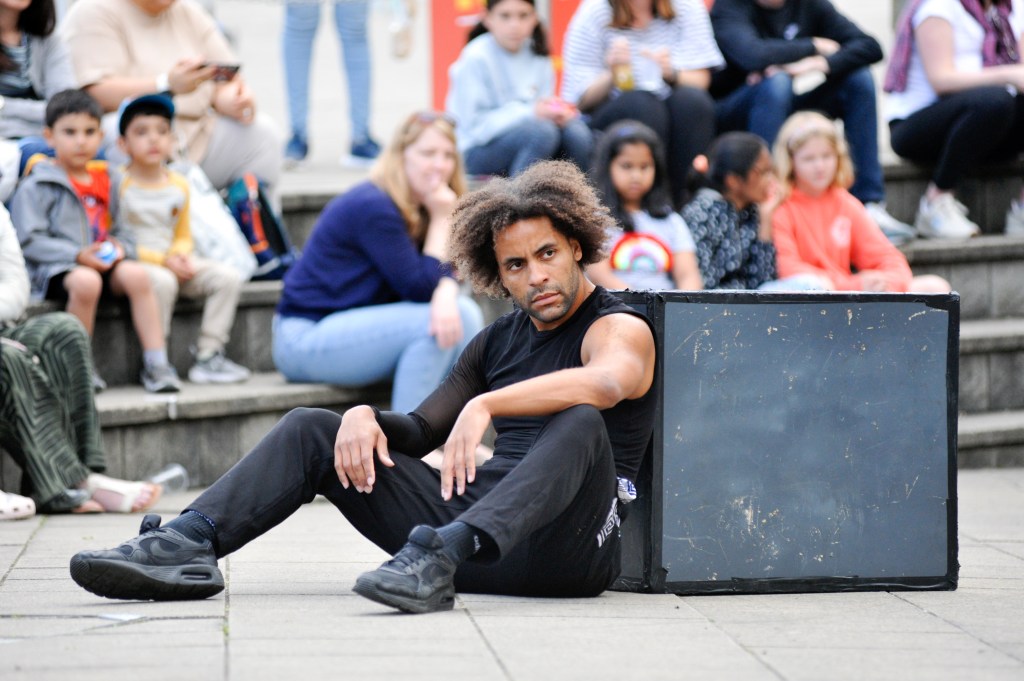
When we put others in boxes, we can say and do things towards them that make people feel unvalued or stereotyped. Even if it’s said or done with a positive intention, these things can still be hurtful.
A classic example is asking a Black person where they are from. They say Manchester and we say, “yes, but where are you really from?” We might say we’re just being curious and want to get to know them… but what we’re really saying is, “you don’t look like you’re from Manchester. You’re Black. You must be from some other country. So where are you actually from?” This is offensive because many Black people and People of Colour are British, they were born here, their grandparents were born here, they are no less British…. So we need to be aware that we can say and do unhelpful things, even with good intentions.
Microaggressions are subtle, often unintentional actions or comments that communicate negative messages about a person’s identity or background. They may seem harmless on the surface, but they can have a significant impact on the person experiencing them, contributing to feelings of alienation and invalidation.
Here are some common microaggressions – you might even recognise some that you have heard or said before:
- “You don’t look disabled; are you sure you need accommodations?”
- “You’re too pretty to be a computer scientist.”
- “I don’t see colour; we’re all the same.
- Making sexist comments or jokes.
- Touching someone’s hair without permission, especially common with Black people with natural or textured hair.
- Stereotyping people based on their race, such as assuming all Asians are good at maths or all Black people are good at sports.
- Making comments that reinforce traditional gender roles, like saying, “Boys don’t cry” or “You throw like a girl.”
- Addressing a group as “guys” when not everyone identifies as male.
- Asking intrusive or personal questions about someone’s sexual orientation or gender identity.
- Making jokes or derogatory comments about same-sex couples or transgender individuals.
- ‘Helping’ someone with a disability without asking them first if they would like assistance.
Taking time to think about how each of these could be hurtful to someone is helpful, as it can stop us from falling into the same traps.
If you have said or done some of these before, you are not alone! Most of us have! This is not about feeling guilt or shame, it’s about learning. Don’t be sorry, be better! Now that you know different, be different and do different.
That is the opportunity here, to learn about how others experience bias and microaggressions, and be an ally or supportive friend to them.
Want to know more about how we can help, be a friend or ally to others?
 Linden Dance Company